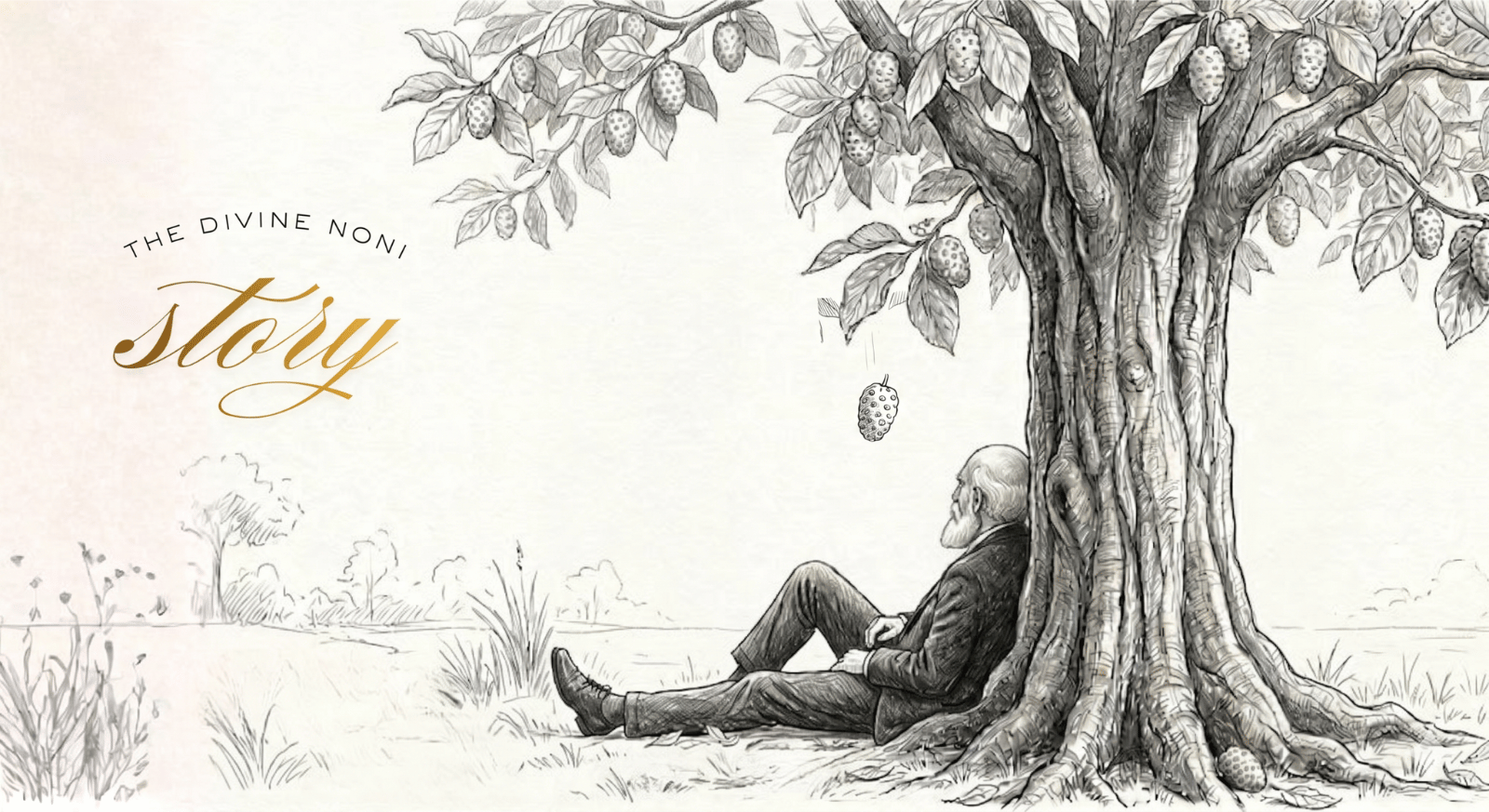
Original Divine Noni is not a trend-led wellness brand entering the category late. We are a specialist Noni company with roots going back to 2001. Founded by Prof. P.I. Peter, the brand was built around a deep belief that Morinda citrifolia, known widely as Noni, deserved serious attention for its nutritional richness, traditional heritage, and research potential. Today, that legacy continues through Prof. Peter's Original Divine Noni, carrying forward the original vision with the same commitment to credibility, quality, and everyday wellness.
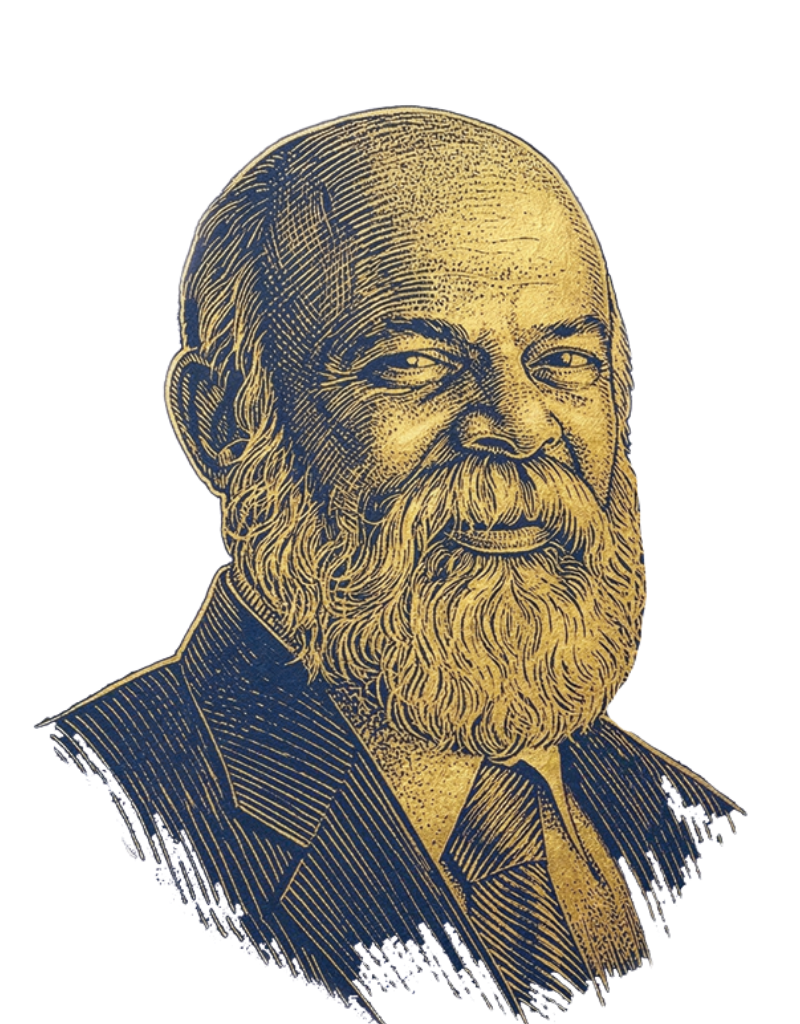
Prof. P.I. Peter was the founder-scientist behind Original Divine Noni. He believed that Noni should not be treated as a passing wellness fad, but as a fruit worthy of deeper study, wider public understanding, and responsible long-term use as a food supplement. His work helped shape the original formula, the brand's research orientation, and the company's serious commitment to building trust through substance rather than hype.
Prof. Peter is no longer with us, but his contribution remains central to who we are. His legacy lives on in the product philosophy, the research-led heritage of the brand, and the mission to make wellness knowledge more widely accessible. This page honours that legacy in the right spirit: not as a living spokesperson, but as the founder whose vision still defines the brand.
“A strong brand story begins with a real founder, a real mission, and work that has stood the test of time.”
Prof. Peter's Original Divine Noni was established on 4 July 2001 in Chennai at a time when very few people in India knew about Noni. From the beginning, the company focused on building a serious, specialist identity around the fruit rather than treating it as just another item in a broad wellness catalogue.
Over the years, the brand built recognition through its distributor network, product consistency, and a clear association with Prof. Peter's research-driven vision. That long operating history matters. In a category where many brands are newer, generic, or loosely positioned, ODN's 25-year presence is one of its strongest trust signals.
Today, as the brand enters a new digital chapter, the goal is not to reinvent what made it valuable. The goal is to present it more clearly: India's original Noni specialist, built on heritage, shaped by research, and carried forward with renewed focus.
Noni, or Morinda citrifolia, has a long traditional history and an especially meaningful Indian connection through heritage references such as Morus indicus, or Mulberry of India. Across traditional wellness cultures, the fruit has been valued for its broad nutritional profile and long-standing use in everyday wellness practices.
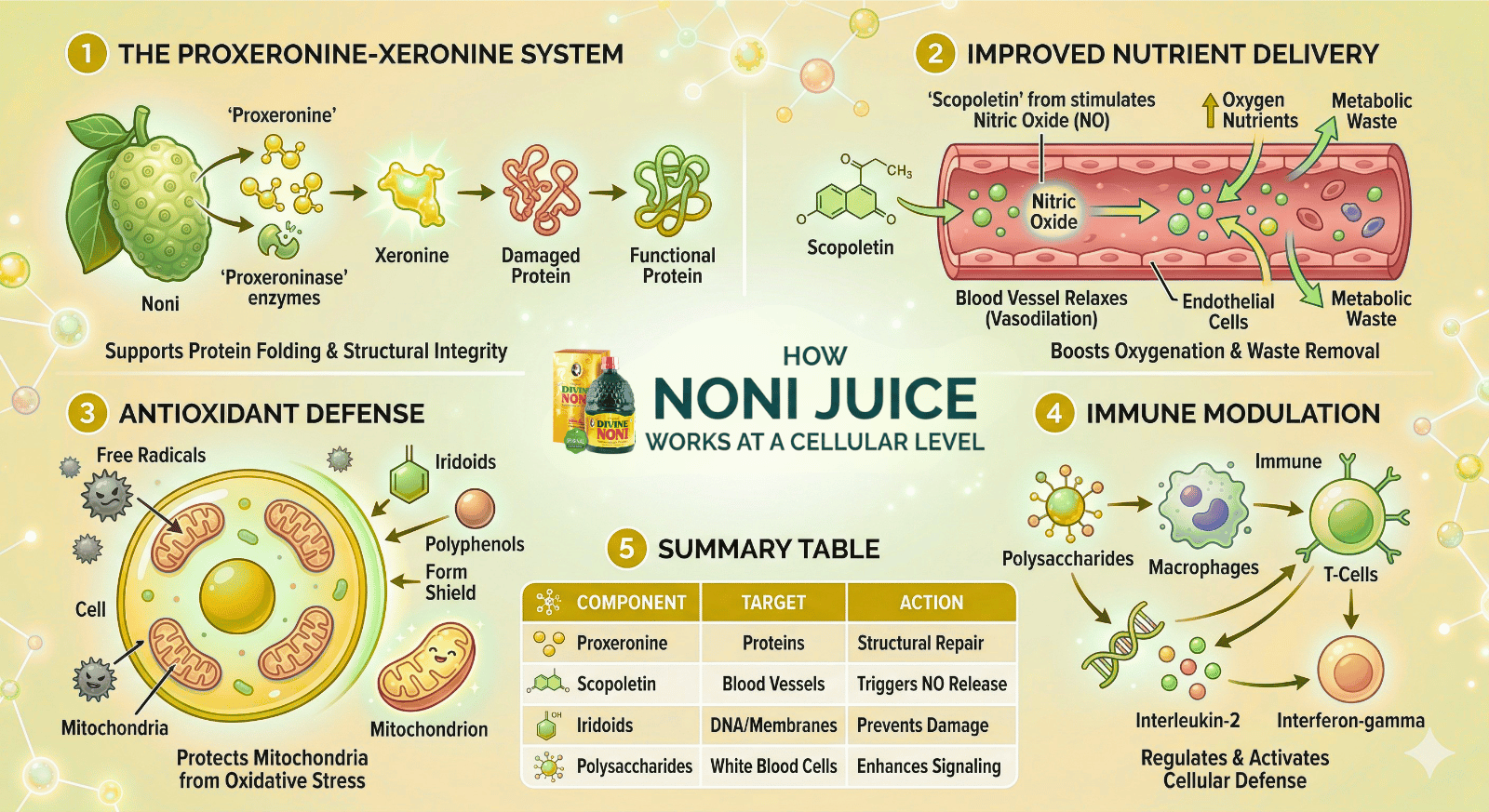
What made ODN different was the decision to approach Noni with both respect for heritage and interest in research. Historical ODN source material describes Noni as a fruit rich in naturally occurring phytonutrients, antioxidants, amino acids, fatty acids, and other plant compounds. Over time, this gave the brand a clearer role: not simply to sell a bottle, but to build confidence around a misunderstood category.
ODN does not position Noni as a medicine. We position it as a food supplement with deep heritage, a distinctive phytochemical profile, and a place in a thoughtful daily wellness routine.
One of ODN's most distinctive assets is its historical connection to structured Noni research. Internal and heritage records show that the brand's research journey included work associated with the National Medicinal Plants Board programme and named institutions such as CDRI, CHES, and CARI. This matters because very few brands in the category can point to named institutional research relationships as part of their history.
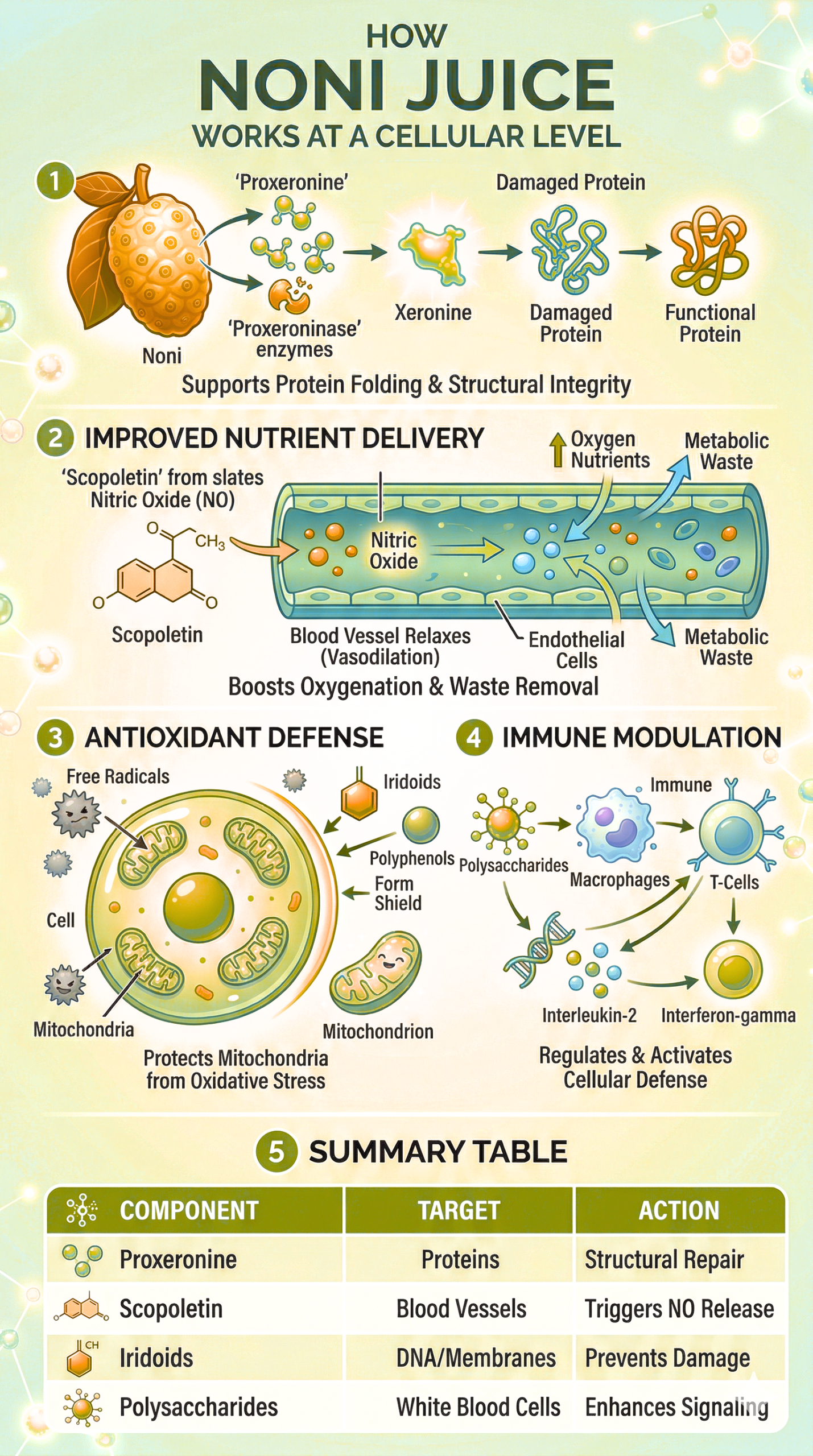
In addition to this institutional heritage, the historical literature available to ODN references more than 30 studies and multiple strands of scientific interest around Noni and its compounds. These include laboratory studies, animal research, and limited human research on areas such as antioxidant activity, cellular pathways, and broader wellness-related research. Important examples cited in ODN's processed claims libraries include work associated with the University of Hawaii, the University of Illinois College of Medicine at Rockford, and Louisiana State University Health Sciences Center.
We present this carefully and responsibly. Historical research heritage does not mean every finding is proven in humans, and it does not turn a food supplement into a medicine. What it does mean is that ODN's Noni story has a stronger scientific foundation than generic category marketing.
The studies referenced in ODN’s heritage literature include laboratory studies, animal research, and limited human research. These findings should not be interpreted as proof of human therapeutic outcomes.
What made ODN different was the decision to approach Noni with both respect for heritage and interest in research. Historical ODN source material describes Noni as a fruit rich in naturally occurring phytonutrients, antioxidants, amino acids, fatty acids, and other plant compounds. Over time, this gave the brand a clearer role: not simply to sell a bottle, but to build confidence around a misunderstood category.
ODN does not position Noni as a medicine. We position it as a food supplement with deep heritage, a distinctive phytochemical profile, and a place in a thoughtful daily wellness routine.
These statements reflect the larger purpose behind the brand. ODN is not only about selling a product. It is about widening access to wellness knowledge, building confidence in Noni through responsible education, and carrying forward a founder-led mission with discipline and scale.
ODN's role is to source and process Noni responsibly, with a focus on product consistency, quality standards, and long-term brand trust. Our digital presence is evolving, but the underlying expectation remains unchanged: when a customer chooses Prof. Peter's Original Divine Noni, they should feel they are buying from a brand that takes both heritage and product responsibility seriously.